
FAQS
Planning Permission
-
The planning process refers to the series of steps and procedures involved in determining how land and resources should be used and developed.
It includes the preparation, submission, review, and decision-making stages related to planning applications.
-
The planning process is important as it helps to guide and regulate development in a systematic and sustainable manner.
It ensures that land use decisions are made in the public interest, taking into account factors such as environmental impact, infrastructure needs, and community aspirations.
-
The planning process is typically overseen by local planning authorities, such as city or municipal governments, regional planning bodies, or national planning agencies.
These authorities are responsible for creating and implementing planning policies, reviewing planning applications, and making decisions based on relevant regulations and considerations.
-
Planning policies are guidelines and regulations set by planning authorities to shape land use and development.
These policies outline principles, criteria, and standards that govern various aspects, such as zoning, building design, environmental protection, transportation, and community development.
-
To submit a planning application, you typically need to complete the required forms and provide supporting documents, such as site plans, architectural drawings, environmental impact assessments, and any other information specified by the planning authority.
The application is then submitted to the relevant authority for review.
-
The duration of the planning process can vary depending on factors such as the complexity of the application, the size of the development, and the workload of the planning authority.
It can range from a few weeks for straightforward applications to several months or more for larger or more complex projects.
-
Yes, if your planning application is refused or if you disagree with conditions imposed on approval, you may have the right to appeal the decision.
The appeals process typically involves submitting an appeal to an independent body that reviews the case and makes a final decision.
-
The planning process considers a range of factors, including the local planning policies and regulations, the potential impact on the environment, infrastructure capacity, transportation access, community consultation and feedback, heritage considerations, and overall sustainability and compatibility with surrounding land uses.
-
Public consultation is a crucial aspect of the planning process. It involves seeking the opinions, concerns, and feedback of the public and stakeholders who may be affected by a proposed development.
Consultation methods may include public meetings, exhibitions, surveys, and opportunities for written submissions.
-
In some cases, it is possible to make changes or amendments to a planning application after submission.
However, this depends on the stage of the process and the policies of the planning authority.
It is advisable to consult with the authority to understand the procedures and requirements for making changes.
-
A planning permit, also known as planning permission or development approval, is an official document issued by the planning authority that grants permission for a proposed development.
It outlines the conditions and requirements that must be met for the development to proceed.
-
Proceeding with development without obtaining planning permission is generally not advisable and may be in violation of planning laws and regulations.
It is important to follow the proper planning process and seek permission before commencing any development to avoid potential legal consequences or enforcement actions.
-
Yes, seeking professional assistance from planners, architects, or consultants experienced in the planning process can be beneficial.
They can provide guidance, help prepare planning applications, navigate regulations, and represent your interests throughout the process.
-
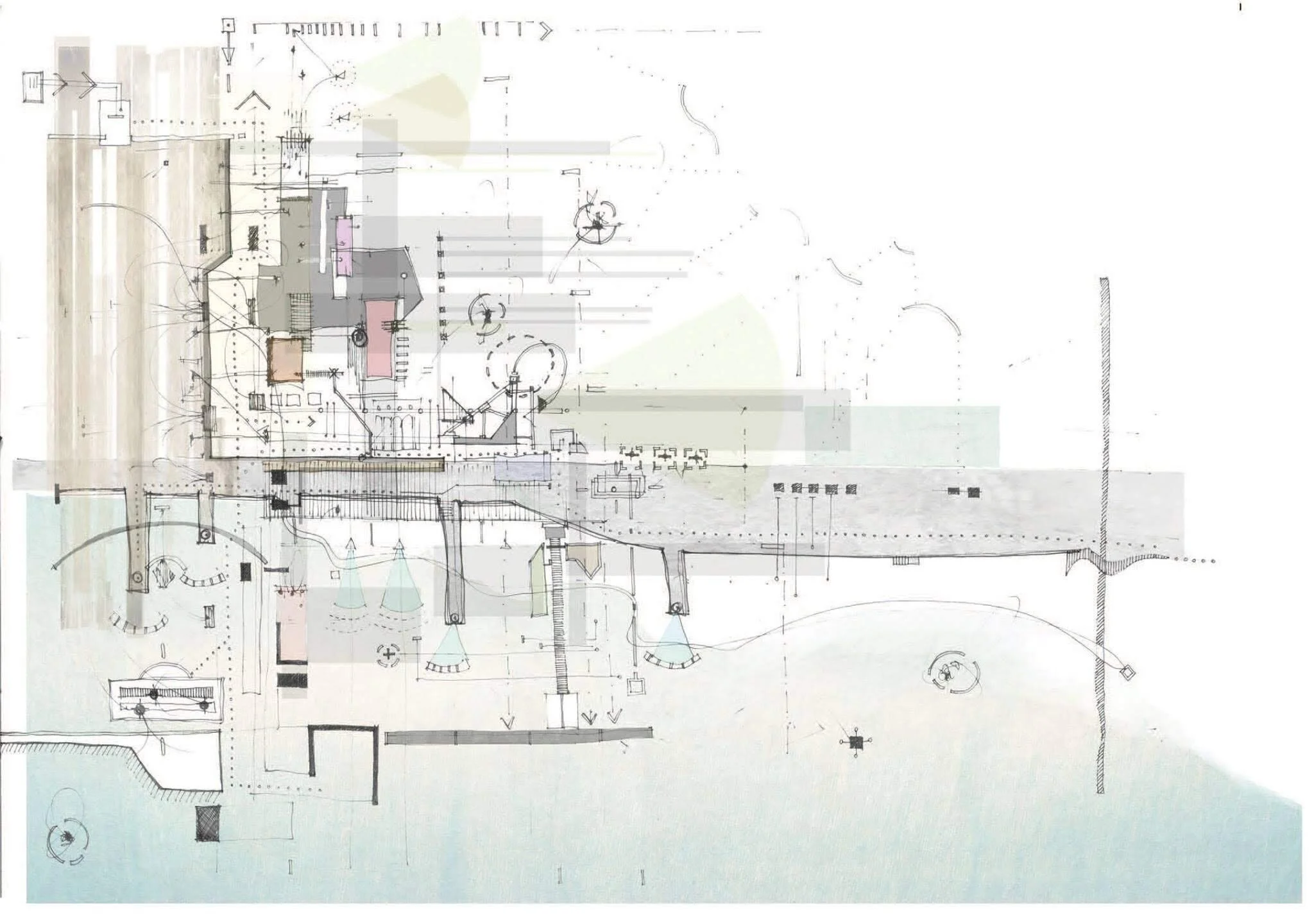
A site plan is a detailed drawing or map that shows the layout of a proposed development on a specific site.
It includes information such as building locations, dimensions, access points, landscaping, and other relevant features.
Site plans are often required as part of a planning application.
-
Yes, there are usually fees associated with the planning process.
These fees cover the costs of processing the application and are typically based on factors such as the size and nature of the development.
The specific fee structure varies depending on the jurisdiction and the local planning authority.
-
You can stay informed about the progress of your planning application by regularly communicating with the planning authority.
They should provide updates on the status of your application, any additional information required, and the expected timelines for review and decision-making.