
FAQS
RIBA Work Stage
-
RIBA Work Stage is a set of sequential stages that outline the key activities and deliverables in the architectural design and construction process.
It is developed by the Royal Institute of British Architects (RIBA) and provides a framework for the organisation and management of architectural projects.
-
The RIBA plan of work consists of eight Work Stages, each representing a distinct phase in the architectural project lifecycle, from inception to completion.
These stages are designed to ensure a systematic and coordinated approach to project delivery.
-
The eight RIBA Work Stages are as follows:
Stage 0: Strategic Definition
Stage 1: Preparation and Brief
Stage 2: Concept Design
Stage 3: Developed Design
Stage 4: Technical Design
Stage 5: Construction
Stage 6: Handover and Close Out
Stage 7: In Use
-
RIBA Work Stage 0 focuses on establishing the project's strategic objectives, understanding the client's requirements, and defining the project brief.
It involves identifying project stakeholders, establishing the project team, and conducting initial feasibility studies.
-
RIBA Work Stage 1 focuses on establishing a clear project brief and preparing the necessary documentation to proceed with the design process.
It involves conducting site analysis, understanding the client's requirements, identifying project constraints, and defining project objectives.
-
RIBA Work Stage 2 involves developing the initial design concepts based on the project brief.
It includes exploring design options, considering site constraints, and preparing concept drawings or visualisations to communicate the proposed design intent.
-
RIBA Work Stage 3 involves developing the initial design concepts further and refining them into a more detailed proposal.
It includes considering structural and technical requirements, refining spatial arrangements, coordinating with specialist consultants, and preparing more comprehensive design drawings.
-
RIBA Work Stage 4 focuses on the detailed design development and technical coordination of the project.
It includes refining the design, preparing construction drawings and specifications, coordinating with other consultants, and obtaining necessary approvals.
-
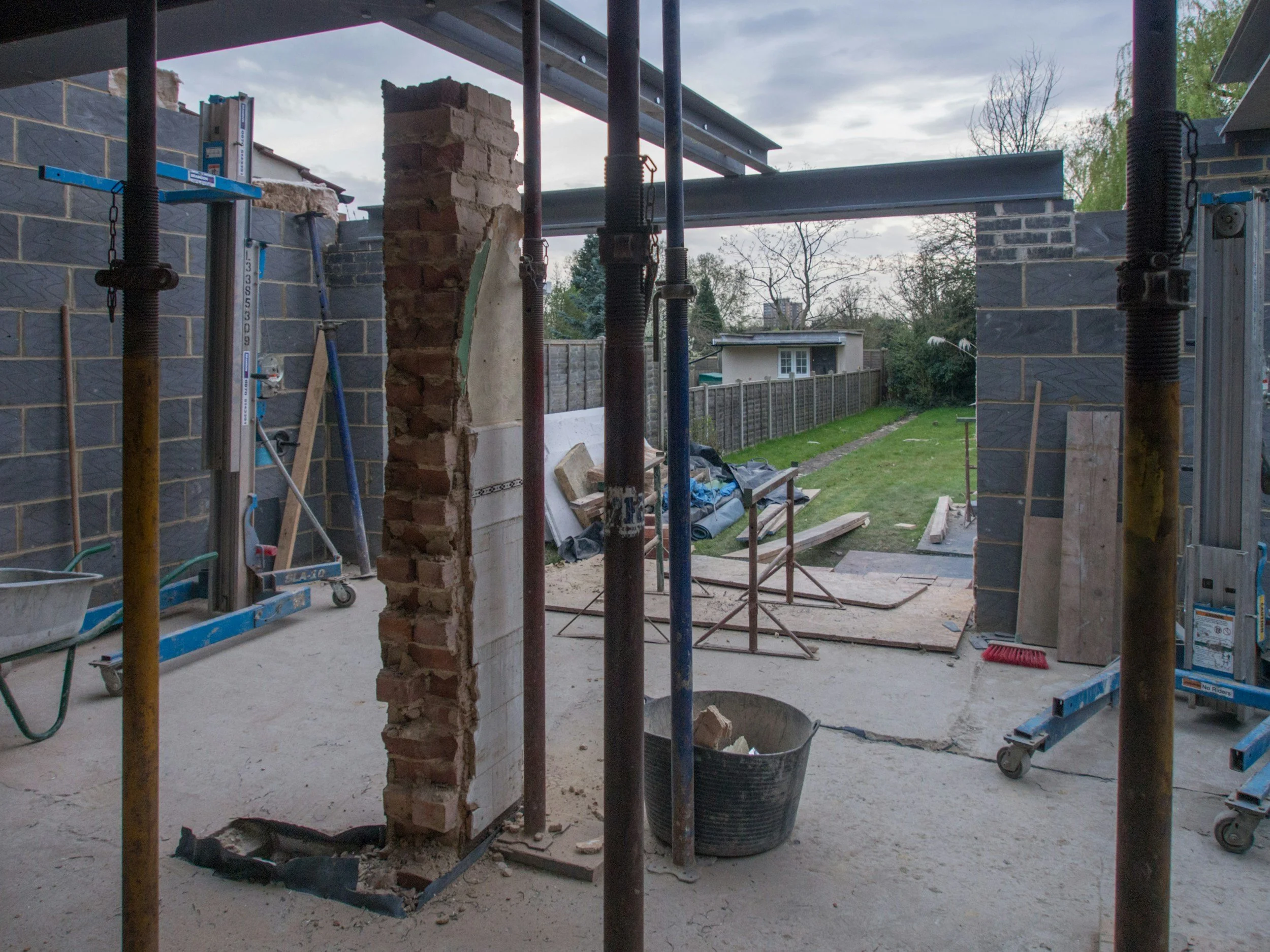
RIBA Work Stage 5 focuses on the construction phase of the project.
It involves overseeing the construction process, managing contractors, monitoring progress, conducting site inspections, and ensuring that the project is built in accordance with the approved design and specifications.
-
RIBA Work Stage 6 marks the transition from the construction phase to the completion of the project.
It involves the handover of the building to the client, finalising project documentation, addressing any defects or issues, and ensuring a smooth transition to the building's operational phase.
-
RIBA Work Stage 7 is focused on the post-occupancy stage of the building.
It involves monitoring the building's performance, addressing maintenance or operational issues, and evaluating its effectiveness in meeting the client's requirements.
-
Yes, the RIBA Work Stage can be tailored to suit the specific requirements of each project.
The level of detail and activities within each stage can be adjusted based on project size, complexity, and client needs.
-
While the RIBA Workstage framework was originally developed for projects in the UK, it has been widely adopted and used internationally.
Many architectural firms and professionals outside the UK follow the RIBA Workstage framework as a recognised industry standard.
-
Yes, each RIBA Workstage typically has associated deliverables, which may include reports, drawings, specifications, cost estimates, or other documentation specific to that stage.
These deliverables help to communicate the progress and requirements of the project at each stage.
-
In some cases, RIBA Workstages may overlap or run concurrently to expedite the project timeline or accommodate specific project requirements.
This flexibility allows for a more efficient and streamlined project delivery process.
-
The RIBA Workstage framework encourages project coordination and collaboration by clearly defining the activities, deliverables, and responsibilities for each stage.
It helps to establish a shared understanding among the project team and facilitates effective communication and coordination throughout the project lifecycle.
-
The RIBA Work Stage framework is not mandatory for all architectural projects.
However, it is widely recognised and commonly used as a best practice guide within the architectural profession to ensure a structured and coordinated approach to project delivery.
-
Yes, the RIBA Work Stage framework can be used for projects of various scales, from small residential projects to large-scale commercial or public developments.
The level of detail and the specific activities within each stage can be adjusted to suit the size and complexity of the project.
-
The RIBA Work Stage framework can be used with various procurement methods or contracts, such as traditional contracts, design and build contracts, or construction management contracts.
The selection of the appropriate contract or procurement method depends on the project requirements and client preferences.